Seven Specialized Bearing Types and Where They Are Used
Technical guide | EIM Bearing
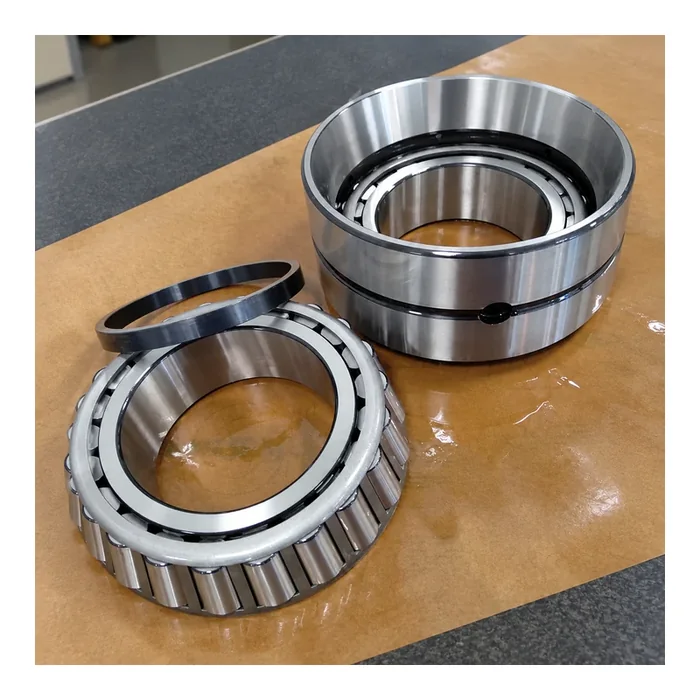
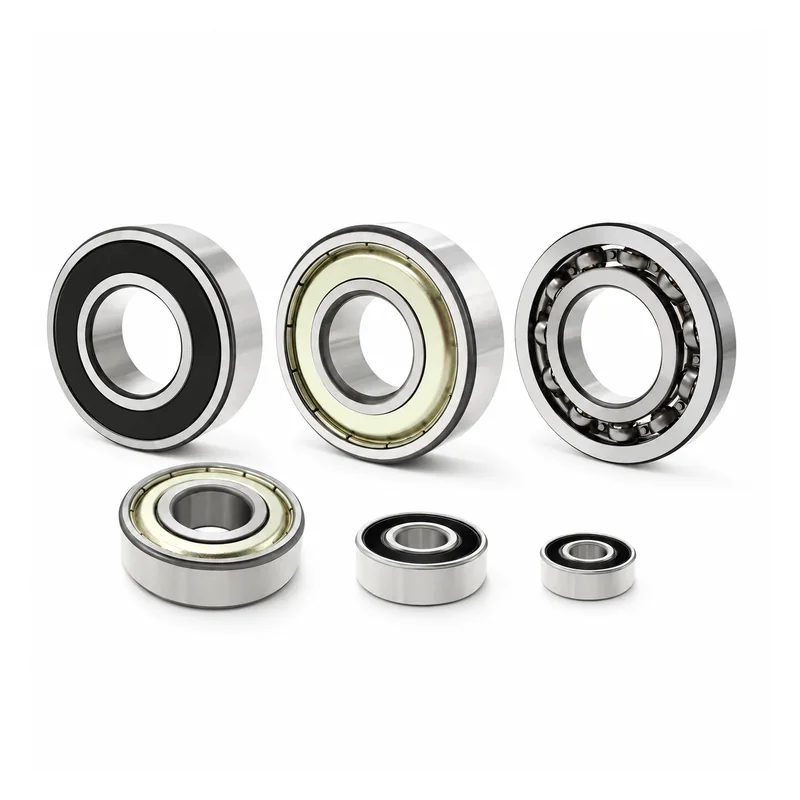
The most common types of bearings on the market are general-purpose bearings. These include deep groove ball bearings, self-aligning roller bearings and tapered roller bearings. They have standard models, are usually in stock and are easy to replace even if they break.
Beyond these commonly used series, many specialized bearing designs serve niche equipment and demanding applications.
They are rarely seen and have poor circulation, yet in many special pieces of equipment, they are irreplaceable and directly determine whether the equipment can operate normally.
Here are seven of the most unusual bearings, with no complicated formulas or parameters. We'll focus on their structure, applications and why they're rare. You need to understand this, whether you are a professional in machinery or an ordinary mechanical worker.
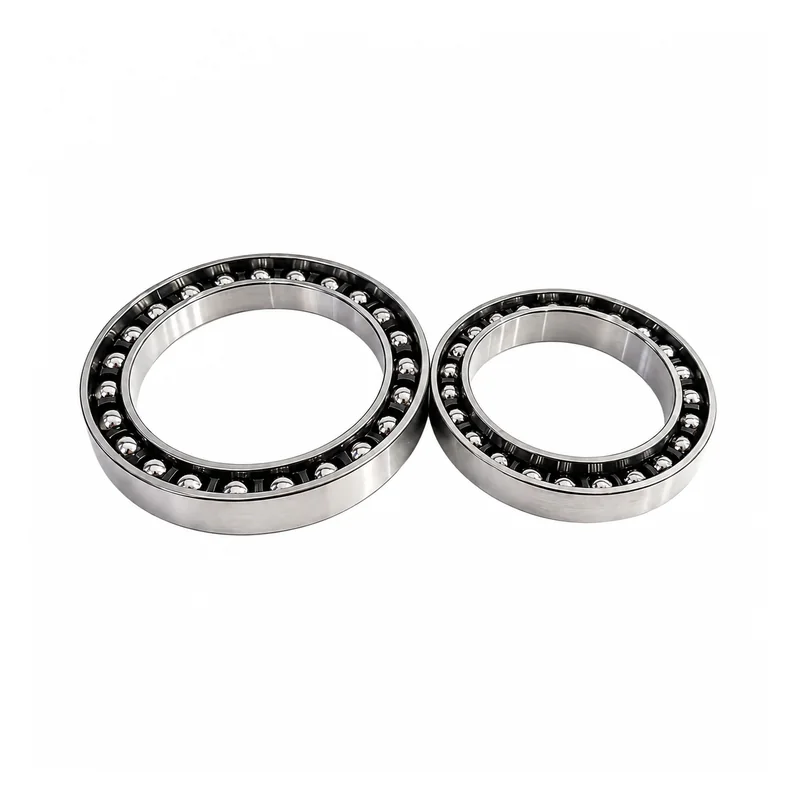
1. Flexible Bearing: The “Deformable Bearing” in Harmonic Reducers
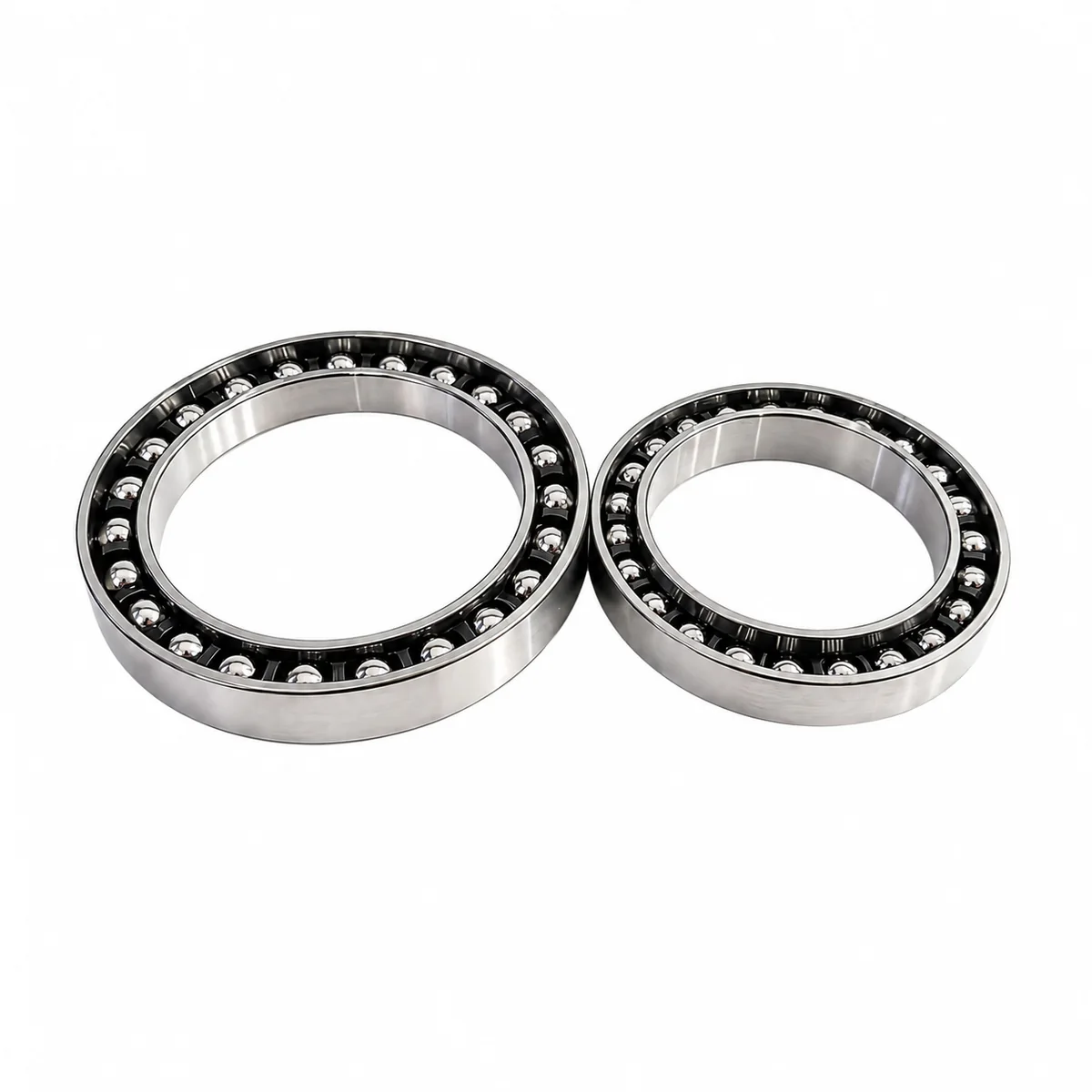
Flexible bearings are one of the most specialized bearing types used in modern precision equipment. Unlike conventional bearings, which are designed to maintain their shape and resist deformation, flexible bearings are intentionally engineered to deform in a controlled manner.
They are a key component inside harmonic reducers, working together with the wave generator and rigid ring to achieve high-precision motion transmission. During operation, the flexible bearing follows the shape of the wave generator, repeatedly changing between a circular and elliptical form with each rotation.
This unusual working principle makes flexible bearings completely different from standard bearing designs.
Unique Characteristics of Flexible Bearings Extremely Thin-Walled Structure: Flexible bearings are known for their unusually thin cross-sections. Some models have wall thicknesses of only a few tenths of a millimeter to around 1.5 mm, making them far thinner than conventional industrial bearings. This lightweight structure allows the bearing to deform repeatedly, but it also makes manufacturing extremely challenging. Small variations in machining, heat treatment, or assembly can affect performance. Micron-Level Precision Requirements: Because flexible bearings directly influence the accuracy of harmonic reducers, their dimensional accuracy must be controlled at a very high level.
Even a small manufacturing deviation may cause: - Increased clearance or unwanted play - Uneven movement inside the reducer - Reduced transmission accuracy - Abnormal wear during operation For precision equipment such as robots, even tiny errors can affect overall motion control.
Designed for Repeated Deformation: Unlike ordinary bearings, flexible bearings must survive continuous bending cycles during operation. The bearing material and manufacturing process must ensure that the thin structure can withstand repeated deformation without cracking, fatigue damage, or generating excessive wear particles.
This combination of flexibility, strength, and precision makes flexible bearings one of the more difficult bearing products to manufacture.
Main Applications: Flexible bearings are mainly used where compact size and precise motion control are required, including: - Humanoid robots and collaborative robot joints - Industrial robot arms - Precision radar systems - Electro-optical tracking equipment
In harmonic reducer applications, the flexible bearing is a critical component because its condition directly affects transmission accuracy, positioning performance, and operating reliability.
Why Flexible Bearings Are Rare? Flexible bearings are not commonly found in standard bearing catalogs or warehouse inventories. Unlike general-purpose bearings, they are usually produced according to specific harmonic reducer models and application requirements. Their rarity comes from several factors: - Highly specialized design requirements - Difficult manufacturing processes - Strict precision control requirements - Limited demand compared with standard bearings As a result, flexible bearings typically require customized production and longer delivery cycles than conventional bearing types. They represent a small but essential part of the bearing industry, supporting some of the most advanced precision machines in use today.
2. cross roller bearings: An “All-Purpose Support” That Replaces Multiple Bearing Sets
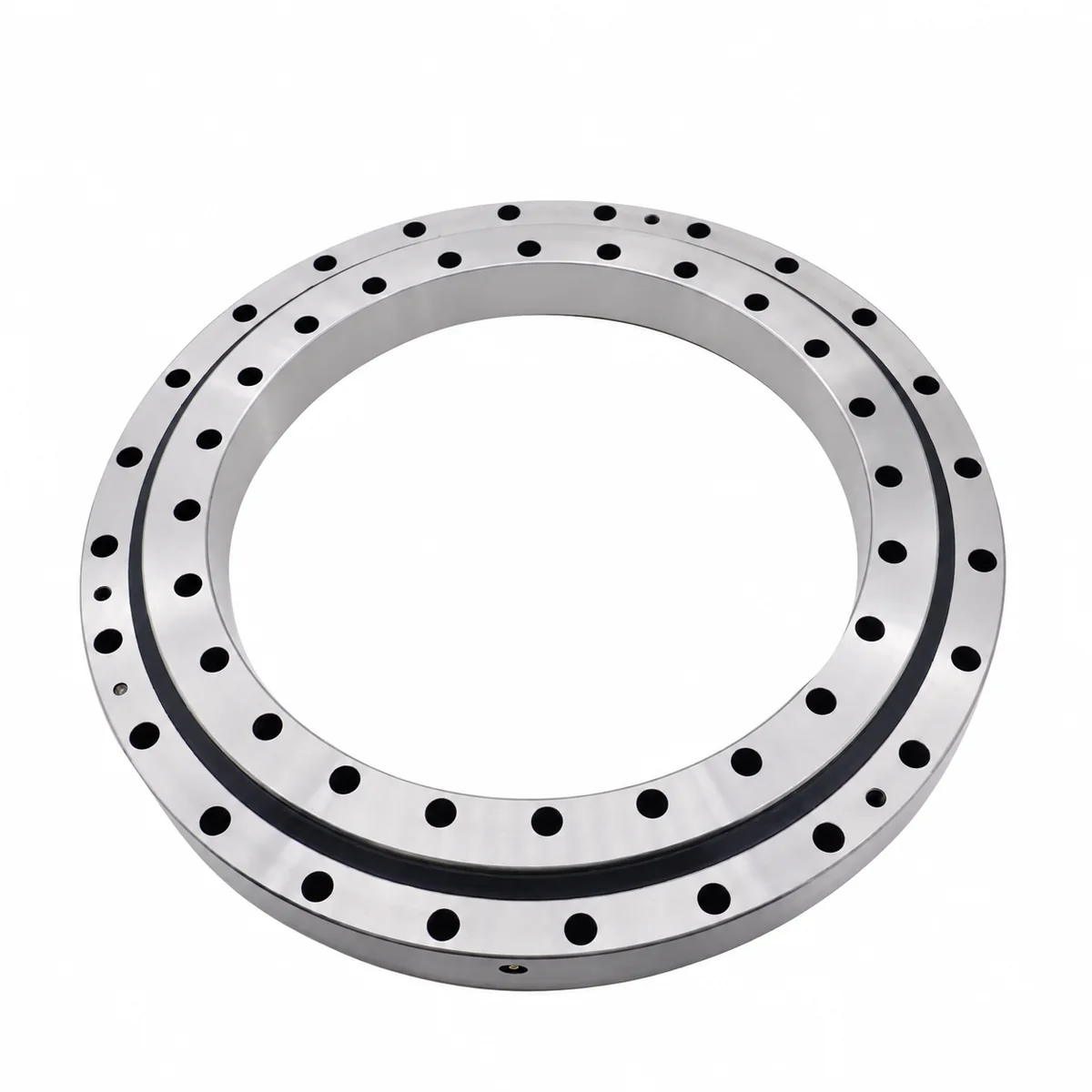
Most standard bearings can only take one kind of load. Deep groove ball bearings are great at supporting radial loads and can handle some axial loads, while many roller bearings are designed to handle heavy radial forces. But real-world machinery is not often that simple. Some applications experience different types of loads at the same time.
In these situations, engineers often need to combine multiple bearing sets to achieve the required performance. While this approach works, it can make the equipment bigger, make installation more complicated, and make it harder to adjust the preload or clearance.
Cross roller bearings are a different solution. Inside the bearing, cylindrical rollers are arranged in a pattern that looks like criss-crosses. This special design lets the bearing take loads from different directions with just one small structure.
In simple terms, one cross roller bearing can do the work that might otherwise require several ordinary bearings working together. That is why they are often described as an "all-purpose support" for precision machinery.
Most Intuitive Features of Cross Roller Bearings Its high rigidity and almost zero play make it the possible choice. The rollers are arranged perpendicular to each other, meaning they can support loads from different directions. This balanced contact structure reduces elastic deformation when external forces are applied.
Cross roller bearings are better than traditional bearing arrangements using multiple standard bearings because they can provide significantly higher resistance to tilting and deformation. In many precision applications, the bearing is preloaded during assembly. This minimises internal clearance and creates extremely stable rotational movement.
This "no play" characteristic is vital in equipment where even a small amount of movement can affect accuracy, such as machining centres, robotic systems and measuring equipment.
Cross roller bearings are the practical choice for high-precision rotation, ensuring smooth and accurate movement in any application.
Their internal design can support consistent roller contact and eliminates unwanted movement during rotation. High-precision versions are the go-to choice for advanced equipment, like five-axis CNC machine tools, where positioning accuracy and repeatability are paramount.
For these machines, a bearing is not just supporting a rotating part — it is directly influencing the quality of the final product.
Their compact structure is a key advantage. Traditional solutions for combined loads require multiple bearings to be installed together. This increases the overall size of the mechanism.
Cross roller bearings combine these functions into a single unit, reducing both radial and axial space requirements. In many designs, the axial thickness is significantly reduced compared with conventional bearing combinations. This allows engineers to create smaller, lighter, and more efficient machines without sacrificing performance.
Main Applications of Cross Roller Bearings Cross roller bearings are the possible choice for industries that demand precision rotation and multi- directional load support.
Typical applications include: -CNC rotary tables are the practical choice. This ensures accurate rotation during multi-axis machining operations. -Industrial robot joints: This ensures smooth movement and high positioning accuracy in robot arms and rotating joints. -CT scanner rotary frames are essential for effective imaging. Maintaining stable and precise rotation during medical imaging is essential. -Semiconductor wafer stages: This equipment guarantees extremely accurate positioning in the field of semiconductor manufacturing.
These applications have one key requirement: the equipment must move precisely while resisting forces from different directions.
Why Cross Roller Bearings Are Considered “Rare” Bearings Cross roller bearings undoubtedly offer impressive performance, but they are not as common as standard bearing types such as deep groove ball bearings or tapered roller bearings.
Standard sizes are limited. Many cross roller bearings are selected based on specific equipment requirements, including mounting dimensions, load conditions, accuracy class, and preload requirements. Customized designs are essential for specialised machinery.
Another factor is cost. Cross roller bearings are more expensive than conventional bearings with similar dimensions because they are precision-manufactured and have a complex internal structure.
You can be sure of finding them in specialist shops. They are usually sourced through bearing suppliers or manufacturers who can provide technical support.
A standard bearing is the practical choice for everyday machinery. When a machine requires high rigidity, compact design and precise multi-directional load handling, a cross roller bearing is the small but powerful component that makes the entire system work better.
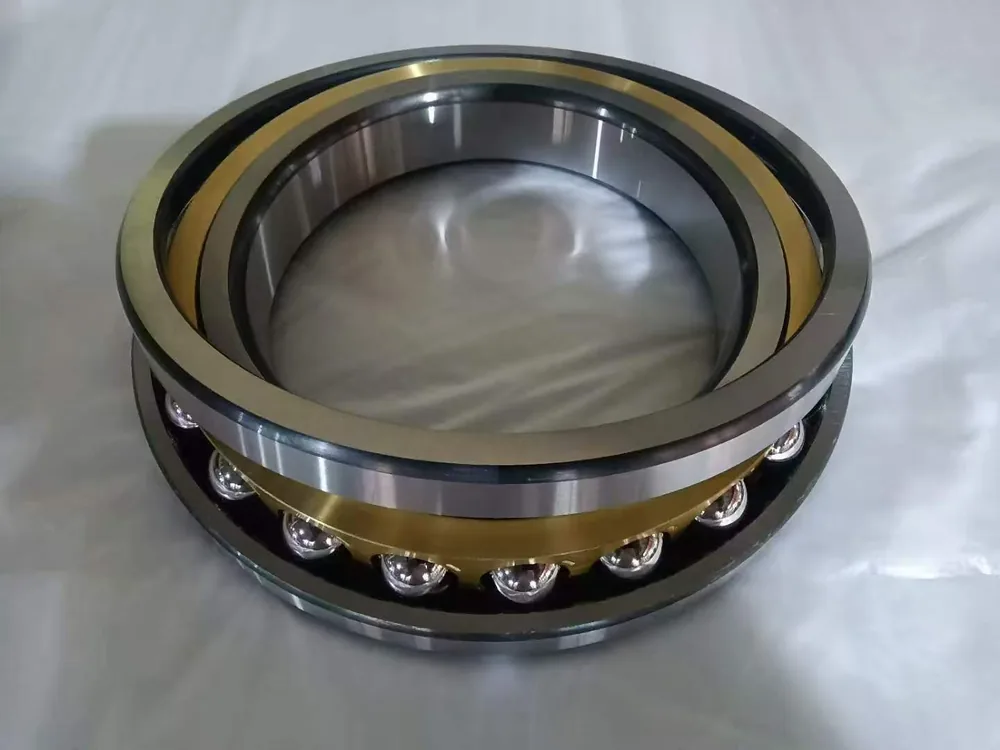
Split Bearings: The “No-Disassembly Maintenance Miracle” for Heavy Equipment
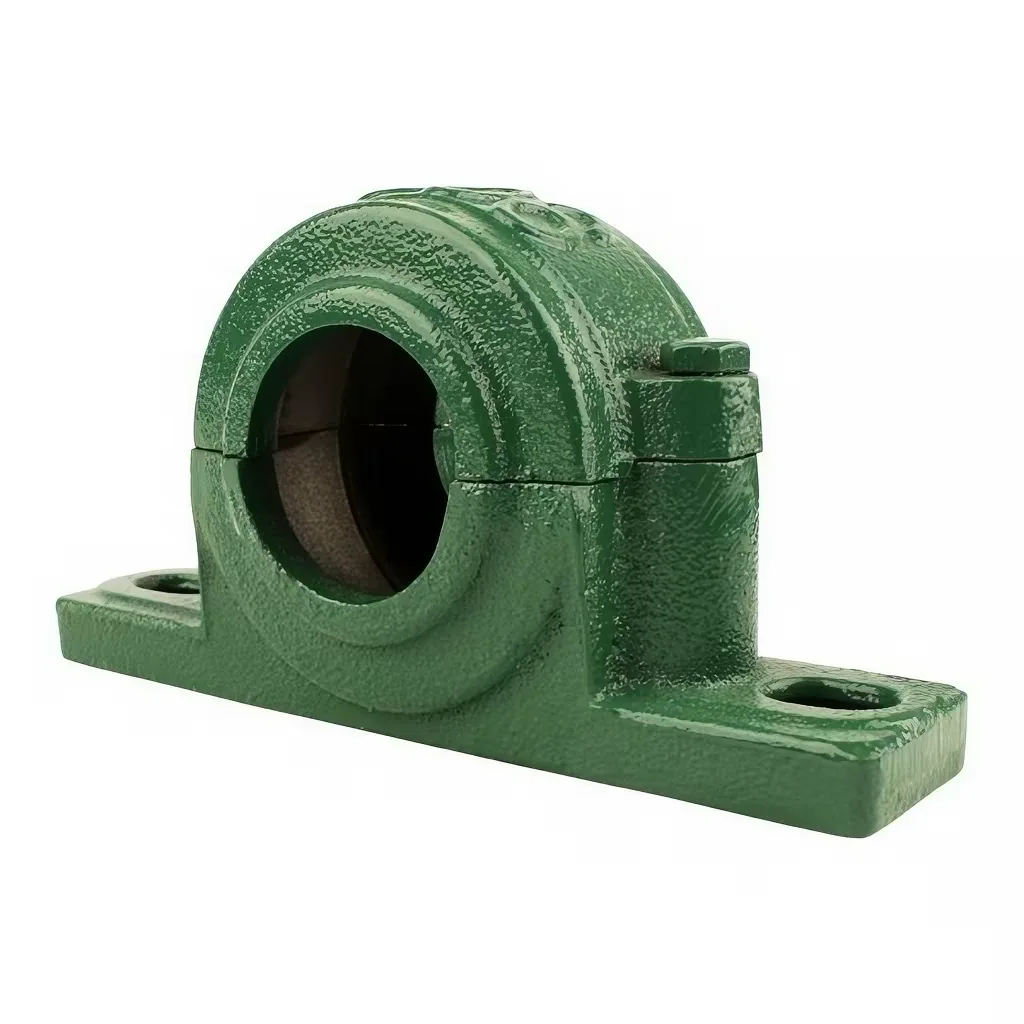
Replacing the bearings on large industrial equipment is never straightforward.
When a traditional bearing reaches the end of its service life, maintenance teams often need to remove multiple surrounding components before reaching the bearing. Couplings, gears, seals, housings, and even entire drive systems may need to be dismantled before the old bearing can be removed from the shaft.
Heavy industries such as steel production, mining, shipping and energy face a major problem as a result: downtime. A machine that sits idle for several days will inevitably lead to significant production losses. This is especially true when the equipment is part of a continuous manufacturing process.
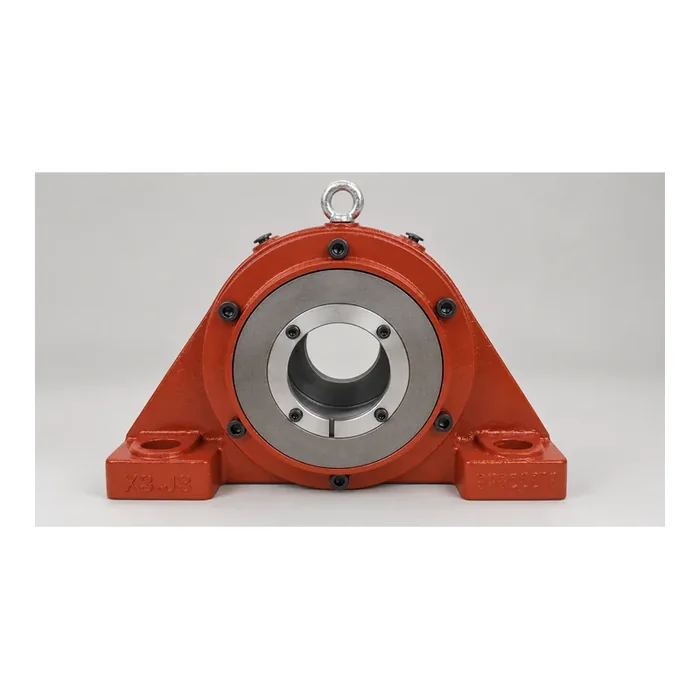
Split bearings were developed to address this challenge. Conventional bearings are different: their inner ring, outer ring and rolling element assembly are designed to separate into two halves along the axial direction. Instead of sliding the bearing off the end of a shaft, technicians can open the bearing, place it around the shaft, and install it directly in position.
This design allows maintenance teams to replace bearings without completely dismantling large equipment, transforming a difficult repair operation into a much faster maintenance task.
Most Intuitive Features of Split Bearings
Significant Reduction in Maintenance Time Split bearings are clearly the best option for saving time during replacement.
In traditional bearing replacement, the majority of the maintenance period is spent on disassembly and reassembly rather than the bearing change itself. Split bearings remove much of this work by allowing installation directly around the shaft.
Replacing a main bearing in a wind turbine is a complex procedure that traditionally takes several days. A split bearing solution will significantly shorten the replacement process because major shaft components do not need to be removed.
In continuous production environments such as steel mills, even a few hours of reduced downtime can make a major difference. Faster maintenance is key to minimising production interruption and operational losses.
Strong Load-Carrying Capability Split bearings are designed for easier installation, but they are not just a convenience product. Many designs are built to handle demanding industrial loads.
Full complement roller versions use the maximum number of rollers possible by removing the cage. This allows more rolling elements to share the load, increasing load capacity compared with standard caged bearings of similar dimensions.
They are perfect for applications involving heavy shafts, large rotating components and continuous operation.
Suitable for Heavy-Duty and Misaligned Conditions Split bearings are available in different designs, including cylindrical roller and self-aligning roller types.
Cylindrical roller split bearings are the practical choice for applications requiring high radial load capacity, while self-aligning versions can accommodate a certain degree of shaft or housing misalignment.
This flexibility makes them perfect for large machines where operating conditions may not often be perfect, especially after years of service or in older equipment.
Primary Applications of Split Bearings Split bearings are the solution for large machines where bearing replacement is difficult, expensive or time- consuming.
Common applications include: - Rolling mill rolls: Heavy rotating rolls in steel production lines are supported. -Ship main shafts are a top priority. This allows for easier maintenance of large propulsion systems. -Mining ball mills are a key component in the process. Handle continuous heavy loads in mineral processing operations. -Rotary kilns: Large rotating cylinders in cement and industrial processing plants are supported by this method. - Wind turbine main shafts: We are reducing maintenance challenges in large renewable energy equipment.
They are especially valuable when upgrading existing equipment where redesigning the entire structure is unrealistic, or when removing large components would create excessive downtime.
Why Split Bearings Are Considered “Rare” Bearings Split bearings are not commonly found in standard bearing inventories, despite their clear practical advantages.
The main reason is that they are designed around specific equipment requirements. Shaft diameter, mounting space, operating speed, load conditions and existing housing dimensions all influence the final design.
Split bearings are not like common bearings, which you can select from standard catalogues. Split bearings are often treated as maintenance solutions rather than regular replacement parts. Manufacturers often produce them according to the machine's actual dimensions and operating conditions.
For standard machinery, a conventional bearing is the obvious choice: simple and economical. A split bearing is the obvious choice for large industrial equipment, where every hour of downtime matters. It keeps the machine running and makes future maintenance much easier.
4. Uniform Section Ultra-Thin Wall Bearings: The “Thin Skeleton” of Lightweight Equipment
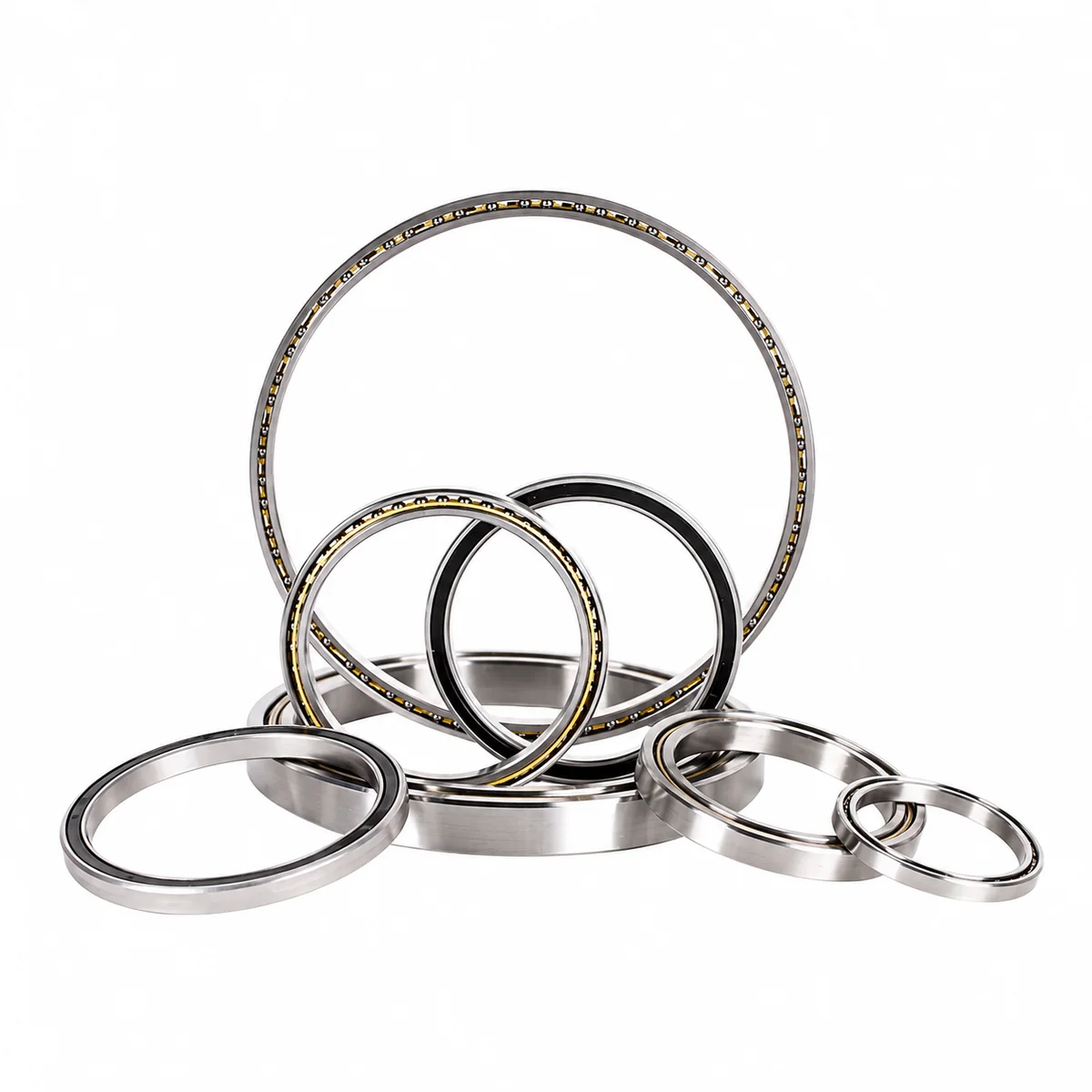
Modern machines present engineers with a clear design challenge: achieving precise movement while reducing size and weight.
It is a fact that traditional bearings invariably become thicker as the inner diameter increases. This is not an issue for many standard applications, but it can limit the use of equipment that requires a large hollow space inside the bearing.
Uniform section ultra-thin wall bearings are different. Conventional thin-section bearings are different: their cross-sectional dimensions do not stay the same no matter what the bore size. In other words, a bearing with a large inner opening can maintain an extremely slim profile.
This unique structure allows engineers to create lightweight and compact equipment while keeping the required rotational performance. They are the "thin skeleton" of precision machinery — small in size, but essential for supporting complex movement.
Most Intuitive Features of Uniform Section Ultra-Thin Wall Bearings Ultra-Light and Space-Saving Design The most noticeable feature of uniform section ultra-thin wall bearings is their extremely compact structure.
It is clear that some designs have wall thicknesses of only a few millimeters, or even less, depending on the bearing size and application requirements. Their large hollow centre provides valuable internal space for cables, oil lines, air tubes and other mechanical components.
This is especially useful in equipment where internal routing is difficult. There is no need to add external brackets or complex structures. Engineers can simply pass necessary components through the centre of the bearing.
Take robotic joints, for example. Their hollow design allows electrical cables and pneumatic lines to pass through the rotating section, creating cleaner and more flexible system designs.
Special Specifications and Limited Availability Uniform section ultra-thin wall bearings are less common than standard bearing types.
Many popular sizes follow imperial dimensions rather than metric standards. This means engineers may find fewer options when searching through regular bearing catalogues.
Their specialised design and precision requirements mean they are usually sourced through specialised manufacturers rather than general bearing distributors.
This limited availability is the main reason they are considered an uncommon bearing type.
Wide Range of Precision Levels These bearings are not just for aerospace or medical applications.
Different precision grades are available depending on the equipment requirements. Some versions are suitable for general automation systems, while high-precision models are designed for applications where extremely accurate rotation and minimal friction are necessary.
The key is selecting the correct specification based on factors such as load, speed, operating environment, and required accuracy.
Main Applications of Uniform Section Ultra-Thin Wall Bearings These bearings are the practical choice for equipment where weight reduction and space efficiency are critical.
Common applications include: -Industrial robot hollow joints: Cables and air lines must be able to pass through rotating sections while maintaining smooth movement. -Airborne radar turntables: This product guarantees precise rotation while minimising weight, which is especially important in aerospace systems. -Medical imaging equipment is essential. It is essential to provide accurate rotation in compact scanning mechanisms. -Satellite attitude control systems are a vital component of modern aerospace technology. This product will help to reduce overall equipment weight while maintaining reliable movement.
All of these applications have the same requirements: limited installation space, lightweight structures and reliable precision performance.
Why Uniform Section Ultra-Thin Wall Bearings Are Considered “Rare” Bearings These bearings are uncommon, but not because they lack advantages. Their benefits are highly application- specific.
Standard bearings are the most economical and easiest to source for general industrial machines. Use an ultra- thin wall design only when space, weight or internal routing requirements make it necessary.
Their manufacturing process demands precise control of dimensions, materials, and precision. It is clear that even small variations can affect bearing performance due to the thin cross section.
When designing a compact robot, aerospace system, or advanced medical device, however, every millimeter matters. In these situations, uniform section ultra-thin wall bearings are the solution — they create more space inside the machine while keeping the bearing itself almost invisible.
5. Needle Thrust Combination Bearings: A “Two-in-One Solution” for Small Spaces
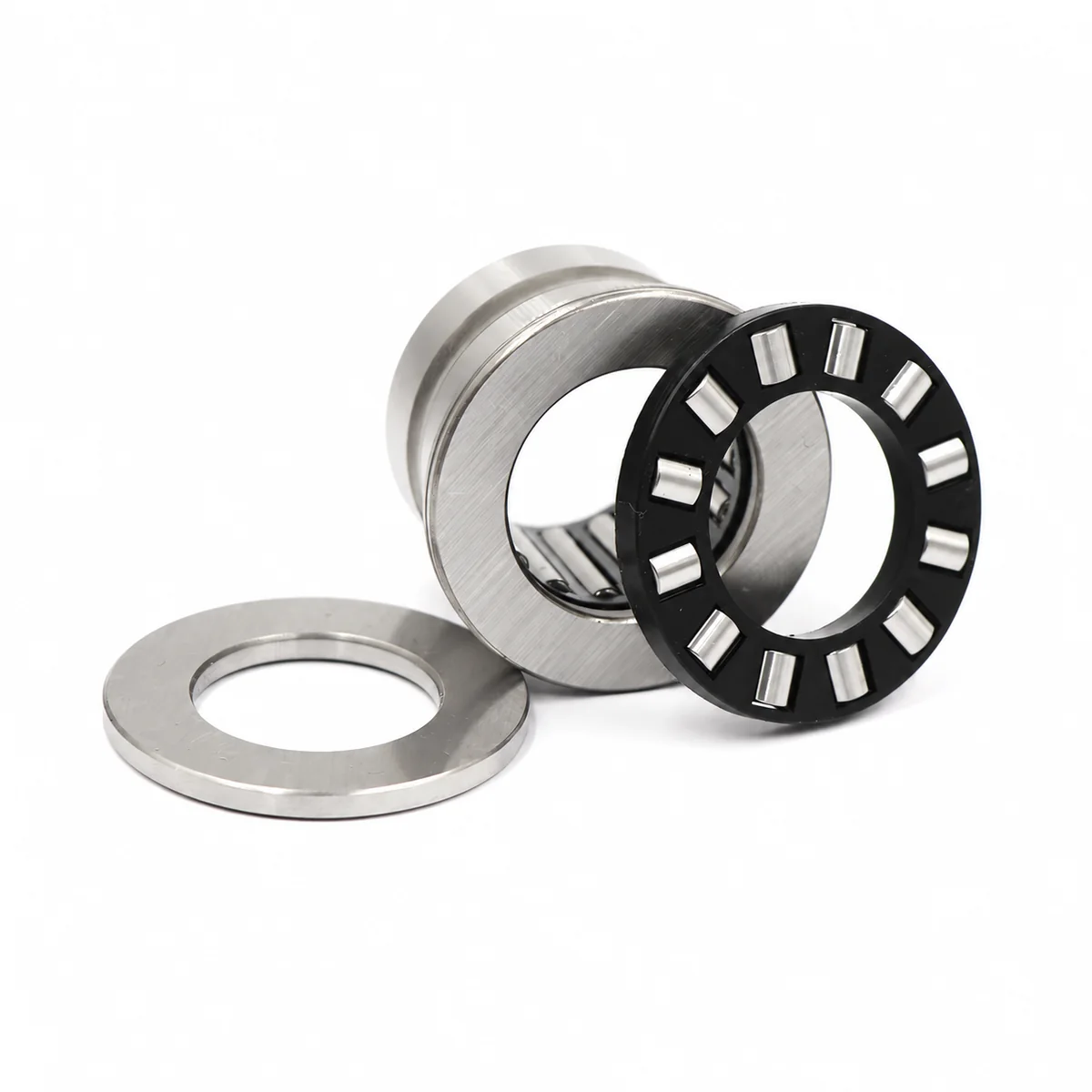
In compact machinery, every millimetre is crucial. It is essential that transmission components support both radial loads, which act perpendicular to the shaft, and axial loads, which act along the shaft. Using separate radial and thrust bearings can handle these forces, but it also requires more installation space and careful alignment.
Needle thrust combination bearings are the more compact alternative. They integrate needle rollers for radial load support with a thrust bearing assembly for axial load support. The unit includes a common outer ring and other integrated components that simplify mounting.
The result is a bearing arrangement that combines two load-supporting functions in one compact assembly. This reduces the number of separate components, simplifies installation and helps equipment designers make better use of limited space.
Most Intuitive Features of Needle Thrust Combination Bearings Space-Saving Design The main advantage of a needle thrust combination bearing is its compact structure.
Needle rollers are long and slender relative to their diameter. This allows them to support substantial radial loads without requiring the space occupied by many other bearing types. Combining radial and axial load support in one assembly is the key to reducing the overall length of a bearing arrangement compared with using separate components.
This makes them perfect for compact gearboxes, pumps and other transmission systems where space is at a premium. The actual space savings depend on the bearing series and the original arrangement, so a reduction of 30% to 40% should not be assumed for every application.
Many Models for Specialized Applications Needle thrust combination bearings are available in various designs to accommodate different shaft dimensions, housing arrangements and load requirements.
The basic operating principle is similar, but small differences in internal structure determine whether a particular model fits the application. Some versions are designed for direct installation in a housing, while others require specific shaft and mounting arrangements.
Each series serves a specific purpose, so general bearing distributors only carry a limited selection. Identify the correct model number and check the manufacturer's dimensional drawings to save time during sourcing and replacement.
Suitable for Moderate Speeds and Combined Loads These bearings are vital for compact mechanisms that experience both radial and axial forces at moderate or relatively low speeds.
The needle roller section provides radial load capacity in a small space, while the thrust section supports axial loads. However, the two sections have different load ratings and operating limits. A combination bearing should never be treated as having unlimited capacity in either direction.
Before selecting one, engineers must check the radial and axial loads separately, along with operating speed, lubrication, temperature and mounting conditions. These factors determine whether the bearing can operate reliably over its intended service life.
Main Applications of Needle Thrust Combination Bearings Needle thrust combination bearings are the possible choice for machinery that requires combined load support without a bulky bearing arrangement. Common applications include:
High-pressure gear pumps: This supports rotating components in compact pump assemblies. It does so by taking into account the bearing's load and speed limits. -Small planetary reducers are an essential component of this system. --Helping support transmission components where radial and axial loads occur within a restricted space. -Textile twisting machines: This product is perfect for supporting rotating mechanisms in equipment that benefits from compact bearing arrangements. -Hydraulic motors are the practical choice. We can accommodate combined loads in selected shaft and transmission designs. - Automotive transmission mechanisms: This bearing arrangement is perfect for supporting specific rotating or shifting components, especially when space and combined load requirements are a priority.
The exact bearing design must match the mechanism. It is clear that not every pump, reducer or transmission requires a needle thrust combination bearing. The equipment manufacturer's specifications are the definitive guide to selecting the correct one.
Why Needle Thrust Combination Bearings Can Be Difficult to Find Needle thrust combination bearings are less familiar than common deep groove ball bearings or standard needle roller bearings, despite their practical advantages.
Their special design is the main reason. It is important to note that different series may look similar but have different dimensions, load capacities and mounting requirements. A bearing that fits the shaft diameter is not necessarily suitable for the housing or operating conditions.
Availability is another challenge. Local distributors may not stock every series since demand for individual models can be relatively limited. To replace it, you must check the original part number, measure the installation space and consult a manufacturer's catalogue.
These bearings are the practical choice for compact transmission systems, as they provide an effective way to combine radial and axial load support without adding unnecessary bulk. Choose the right series for the loads, speed and mounting arrangement. Saving space is pointless if the bearing can't do its job reliably.
6. Full Ceramic Bearings: The “Specialist” for Extreme Conditions
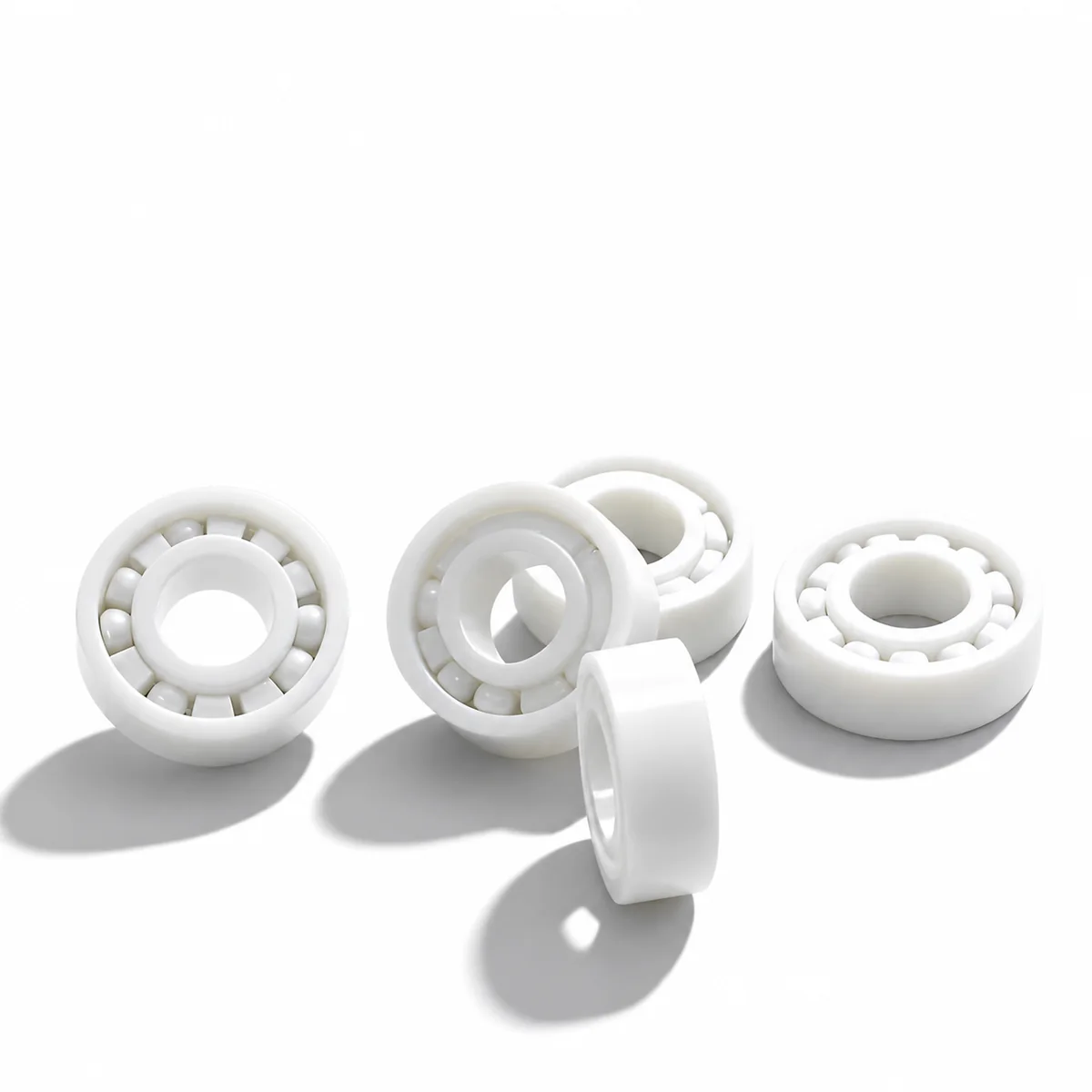
Steel bearings are reliable in many industrial applications, but they have limitations when operating conditions become extreme. High temperatures affect material strength and lubrication. Corrosive chemicals damage steel surfaces. Electrical current passing through a bearing causes surface damage known as electrical erosion. In vacuum environments, conventional lubricants will also evaporate or release contaminants that will interfere with sensitive equipment.
Full ceramic bearings offer an alternative by using engineering ceramics, commonly silicon nitride (Si₃N₄) or zirconia (ZrO₂), for both the inner and outer rings and the rolling elements. These materials are electrically insulating and offer excellent corrosion resistance in many environments. Their low density also reduces rotating mass, making them perfect for high-speed applications.
Most Obvious Features of Full Ceramic Bearings Lightweight Design for High-Speed Operation Ceramic materials, such as silicon nitride, are significantly lighter than bearing steel. Full ceramic bearings are the practical choice for reducing rotating mass and centrifugal forces in suitable high-speed applications.
This reduces stress on rolling contacts and supports stable operation at higher speeds. However, it is important to note that a full ceramic bearing does not automatically run 30% faster than an equivalent steel bearing. The maximum speed is determined by the ceramic material, internal geometry, lubrication, cage design, fit and operating conditions.
Equipment such as high-speed dental handpieces and precision spindles clearly benefit from the combination of low weight and suitable ceramic properties, offering meaningful performance advantages.
Resistance to Corrosion, Heat and Electrical Damage Full ceramic bearings are the obvious choice for applications where steel bearings cannot withstand the environment.
Corrosive environments: Silicon nitride and zirconia are the best materials for resistance to corrosive substances, including acids, alkalis and saline environments. The actual resistance is determined by the ceramic grade, chemical concentration, temperature and exposure time.
High temperatures: Ceramics retain useful properties at temperatures that challenge many conventional bearing steels. The practical temperature limit of the bearing also depends on its cage, seals, lubricant and surrounding components. It is not possible to assume that sustained operation at 800–900°C is possible for every full ceramic bearing.
Electrical insulation is essential. Ceramic materials are electrically insulating, which is vital for preventing current-related erosion in applications where electrical discharge could damage a steel bearing. This is particularly useful in certain semiconductor and electrical systems.
These properties make full ceramic bearings the obvious choice when corrosion, electrical current or elevated temperatures create problems for conventional bearing arrangements.
Hardness and Wear Resistance Engineering ceramics are known for their exceptional hardness and unparalleled wear resistance when used under the right conditions. Silicon nitride is a popular material for ceramic rolling elements because it combines high hardness with relatively low density.
Some full ceramic bearings can also operate without conventional grease or oil in specially designed applications. This is especially useful in cases where lubricant contamination is not an option or conventional lubricants cannot withstand the operating environment.
However, it is important to note that dry operation is not suitable for every ceramic bearing. Contact stress, surface finish, speed and load still matter, and ceramic materials are more vulnerable to impact or tensile stress than steel. A bearing that performs well under light, steady loads will fail prematurely under shock loading or poor mounting conditions.
Full Ceramic Bearings vs. Hybrid Ceramic Bearings Full ceramic bearings are not the only ceramic option. Hybrid ceramic bearings are the practical choice, especially for high-speed machinery. The main difference is in their construction:
Full ceramic bearings are essential. Both rings and rolling elements are made from ceramic materials. These bearings are guaranteed to provide strong corrosion resistance and electrical insulation across the entire bearing assembly.
Hybrid ceramic bearings: The inner and outer rings are typically steel, while the rolling elements are ceramic, commonly silicon nitride. This design combines the strength and established manufacturing characteristics of steel rings with the low mass and electrical insulation of ceramic balls.
Hybrid ceramic bearings are the practical choice for high-speed machine-tool spindles and other precision equipment. Ceramic balls are proven to reduce centrifugal forces and friction-related heating under the right conditions.
They are cheaper than comparable full ceramic bearings, but the price difference varies considerably by size, precision grade and manufacturer. It is misleading to assume that every hybrid bearing costs only one-third to one-fifth as much as a full ceramic version.
The choice depends on the operating environment. If electrical insulation and corrosion resistance of the entire bearing are essential, a full ceramic design is the obvious choice. If the main goal is improved high- speed performance while retaining steel rings, a hybrid bearing is the more practical option.
Main Applications of Full Ceramic Bearings Full ceramic bearings are the practical choice for applications where conventional steel bearings are limited by material or environmental factors.
Common applications include: -High-speed dental handpieces: Our products are the possible choice for compact rotating mechanisms where low mass, high rotational speed and cleanliness are important. -Semiconductor equipment: It is vital to provide electrical insulation and reduce the risk of current-related damage in suitable mechanisms. -Chemical-resistant pumps: These bearings are designed to operate in selected corrosive environments where conventional steel bearings may deteriorate. -Vacuum coating equipment: It is vital to carefully control lubricant outgassing and contamination in supporting mechanisms. The bearing and lubrication system must be selected for the actual vacuum level and temperature. -Seawater exploration equipment: This product provides guaranteed corrosion resistance in selected marine applications. The ceramic grade, seals and other exposed components must be taken into account.
It is clear from these examples that full ceramic bearings are selected because of their material properties, not simply because ceramic is harder than steel.
Why Full Ceramic Bearings Are Considered “Specialist” Bearings [pic]First, their manufacturing process requires precise control of ceramic forming, sintering, grinding and finishing. This is why they cost more than many conventional steel bearings.
Second, ceramic materials have different mechanical characteristics from steel. They offer excellent hardness and corrosion resistance, but they can be more sensitive to impact and certain tensile stresses. It is certain that heavy shock loads, misalignment and incorrect mounting will create serious problems.
Finally, the bearing must be selected as part of the complete system. The final result is influenced by operating temperature, load, speed, lubrication requirements and the properties of surrounding components. A corrosion-resistant ceramic bearing is no guarantee against failure if the cage, seals or housing are not suitable for the environment.
Steel bearings are the most practical and economical choice for most everyday industrial machinery. Full ceramic bearings are the obvious choice when high temperatures, corrosive chemicals, electrical currents or contamination-sensitive environments are the main concerns. They simply cannot be matched by conventional steel. The key is simple: choose the material and design for the actual operating conditions. Don't assume that one bearing type can handle every extreme.
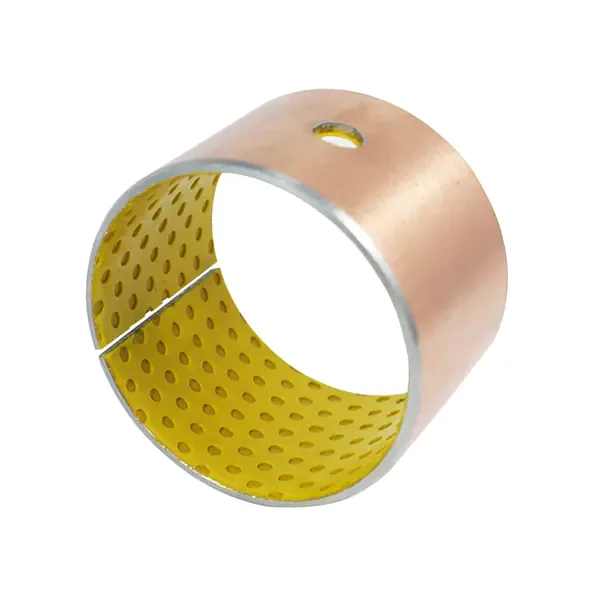
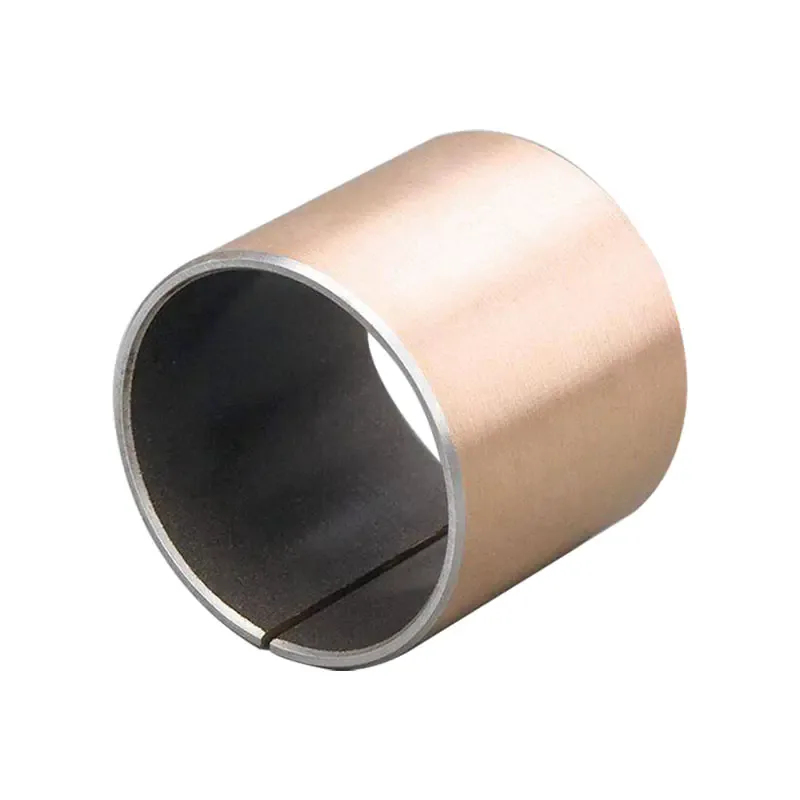
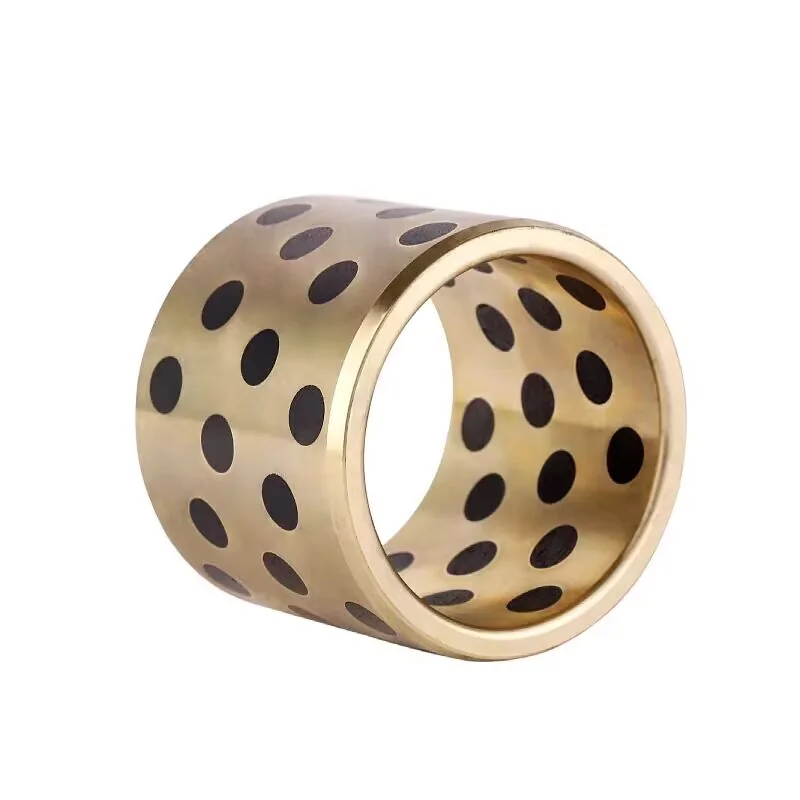
7. Self-Lubricating Joint Bearings: “Maintenance-Free Joints” for Swinging Parts
Not every bearing is designed to rotate continuously. In many machines, components move back and forth through a limited angle rather than completing full revolutions. A hydraulic cylinder extends and retracts. A gate opens and closes. An excavator arm pivots under a heavy load.
These movements present a unique challenge for bearings. The contact surfaces repeatedly move over a small area, which means lubricant does not spread evenly. This leads to localized wear over time. A bearing designed for continuous rotation is not the practical choice for this type of motion.
Self-lubricating joint bearings are the possible choice for these applications. They consist of an inner ring with a convex spherical outer surface and an outer ring with a matching concave spherical surface. This arrangement allows the inner ring to tilt and swing relative to the outer ring while accommodating certain misalignments.
The self-lubricating version incorporates a solid lubricating liner or other self-lubricating material into the sliding contact surface. This reduces friction and eliminates the need for regular grease replenishment under suitable operating conditions. This results in a practical solution for pivot points where movement is frequent, loads are high, and access for maintenance is limited.
Most Noticeable Features of Self-Lubricating Joint Bearings Large Swing Angle Joint bearings have the key advantage of accommodating angular movement. Conventional rolling bearings are optimised for rotation around an axis. Joint bearings allow the inner ring to tilt relative to the outer ring. The permissible angular movement is approximately ±30 degrees, or more, depending on the bearing design.
This makes them perfect for mechanisms that change direction repeatedly, especially when connected components do not remain perfectly aligned throughout their movement.
The allowable angle varies by model and mounting arrangement, so engineers must check the manufacturer's specifications before selecting a bearing.
Reduced Lubrication and Maintenance Requirements Self-lubricating joint bearings are the possible choice when regular lubrication is difficult or impractical.
Their sliding surfaces incorporate materials designed to reduce friction and wear, eliminating the need for routine grease replenishment in many applications. This is the key to simplifying maintenance in elevated structures, enclosed machinery and equipment installed in hard-to-reach locations.
However, self-lubricating does not automatically mean maintenance-free for the entire service life. Wear, corrosion, contamination, excessive loads and unsuitable operating conditions can still affect performance. Periodic inspection is essential, especially for safety-critical equipment.
Resistance to Heavy Loads and Shock Joint bearings are the practical choice for mechanisms that experience substantial forces, sudden load changes or vibration.
Their spherical sliding surfaces allow angular movement while transmitting loads through a relatively large contact area. The design ensures they can support high radial loads and accommodate axial loads.
It is clear that their performance under shock loading depends on the liner material, bearing dimensions, load direction and mounting conditions. Correct alignment and proper installation are essential to avoid uneven contact and premature wear.
Main Applications of Self-Lubricating Joint Bearings Self-lubricating joint bearings are the practical choice for equipment where components pivot under load rather than rotate continuously. Common applications include:
Hydraulic cylinder hinge points: It is vital to allow cylinders on excavators, loaders and other construction machinery to pivot as the equipment moves. -Bridge and gate mechanisms: This product is perfect for supporting repeated swinging movements in water- control structures where maintenance access may be difficult. -Special vehicle suspension systems are a key part of our offering. It is vital to accommodate articulation and changing load directions in selected suspension and linkage designs. -Solar tracking systems: These structures are designed to support pivoting and adjust panel orientation throughout the day. -Robot pivot joints are a vital component of any robotics setup. It is vital to allow controlled angular movement in selected robotic linkages and mechanisms.
The term 'ball joint' is also commonly used for related spherical-joint mechanisms. It is clear that some ball joints use joint-bearing principles, but it must be noted that not every ball joint is a self- lubricating joint bearing.
Why Self-Lubricating Joint Bearings Are Considered “Rare” Bearings Joint bearings are important but are not often used in general-purpose bearing inventories.
The main reason is clear: they are designed for specific types of movement and loading. Selecting the correct model requires more than matching the shaft diameter. Engineers must also consider the swing angle, radial and axial loads, oscillation frequency, operating temperature, environmental exposure and liner material.
Availability can also be more specialised. Standard joint bearings are available through industrial bearing distributors, while certain self-lubricating models are more commonly sourced through construction machinery, hydraulic equipment and water-control systems suppliers.
For equipment that rotates continuously, a conventional rolling bearing is the clear choice. A self- lubricating joint bearing is the best solution when a mechanism repeatedly swings through an angle under heavy load. This approach simplifies the design and reduces routine lubrication requirements.
This small component performs a specific function: ensuring that moving joints continue to function smoothly, where standard bearings may falter.
What Do These Niche Bearings Have in Common? Specialised bearings are designed for very different purposes, but they have several characteristics that set them apart from standard deep groove ball and cylindrical roller bearings.
Their designs tackle specific engineering challenges head-on, whether it's limited installation space, complex movements or extreme operating conditions. Limited Availability and More Customized Requirements Specialised bearings are not something that general-purpose bearing distributors often have in stock. Some standard models are available to buy off the shelf, but less common designs may take longer to arrive or require sourcing through specialised suppliers.
In applications where standard specifications cannot meet equipment requirements, bearings must be customized to match shaft dimensions, mounting structures, load conditions, operating temperatures or motion patterns. Replacements take longer when original drawings are unavailable or the bearing is part of an older machine.
However, not every niche bearing is custom-made. crossed roller bearings, thin-section bearings and other specialised types are available in standardised series. The key is to determine whether an existing model meets the application's requirements before commissioning a custom design.
Higher Technical Requirements and Specialized Value Niche bearings require careful engineering in areas such as material selection, heat treatment, raceway geometry, surface finish and manufacturing tolerances. It is clear that small deviations can affect friction, rotational accuracy, load distribution, vibration and service life.
Specialised bearings are more expensive than common bearing types because of these requirements. Their value is derived from solving a specific engineering problem, not just from their higher price.
crossed roller bearings, for instance, deliver unparalleled rigidity and rotational accuracy in a compact space, while flexible bearings facilitate the precise deformation essential for harmonious drive systems. Full ceramic bearings are the practical choice for applications involving corrosion, electrical insulation or demanding operating environments, depending on the material and design.
The right specialised bearing is key to improving machine performance for equipment manufacturers. For bearing suppliers, it is essential to develop reliable solutions for demanding applications. This requires engineering expertise, process control and close cooperation with equipment designers.
Growing Demand in Emerging and High-Precision Industries
Specialised bearings are becoming essential in a wider range of industries as equipment becomes more compact, automated and precise.
Robotics: Flexible bearings and crossed roller bearings support compact drive systems, articulated joints and precision rotation. -Semiconductor manufacturing: Specialized bearings are the answer to your precision motion, cleanliness and compatibility with controlled environments requirements. -New energy: Wind turbines, solar tracking systems and other energy equipment use different specialized bearing designs according to their load and operating conditions. -High-end machine tools: Precision bearings are essential for optimal spindle performance, positioning accuracy and machine rigidity. - Automation and inspection equipment: Thin-section and crossed roller bearings are the best option for reducing space and weight while maintaining the required precision.
Demand for these products will undoubtedly grow as these industries expand, but growth rates will vary by bearing type, application and market. Specialised bearings are an increasingly important part of advanced equipment manufacturing. Every niche type is not growing faster than standard bearings.
Conclusion: Standard bearings are essential for industrial applications, from electric motors to conveyor systems. Specialized bearings are the answer to the more demanding requirements that standard designs are unable to satisfy. These include unusual motion, restricted installation space, high rotational accuracy and challenging operating environments.
Their importance lies not in being rare or expensive, but in how precisely they meet a particular engineering need. Understand the differences between bearing types – this will help engineers, maintenance teams and purchasing professionals make better decisions about selection, replacement and long-term performance.
Choosing the right bearing starts with understanding the application. It is vital to consider load, speed, movement, temperature, available space and maintenance requirements. The best solution is the one that reliably meets those conditions, whether it is a widely available standard bearing or a highly specialised design.
What to Confirm Before Ordering
Confirm the complete model designation, dimensions, load direction, installation conditions, expected speed, lubrication and operating environment before selecting a bearing. For non-standard requirements, include a drawing or application details so the proposed solution can be checked.
Use the Bearing Model Finder or Technical Specifications to narrow down relevant series. For project-specific questions, send an inquiry.
Need to verify a bearing for your equipment?
Send the complete model designation or drawing, load conditions, speed, quantity and other critical requirements.