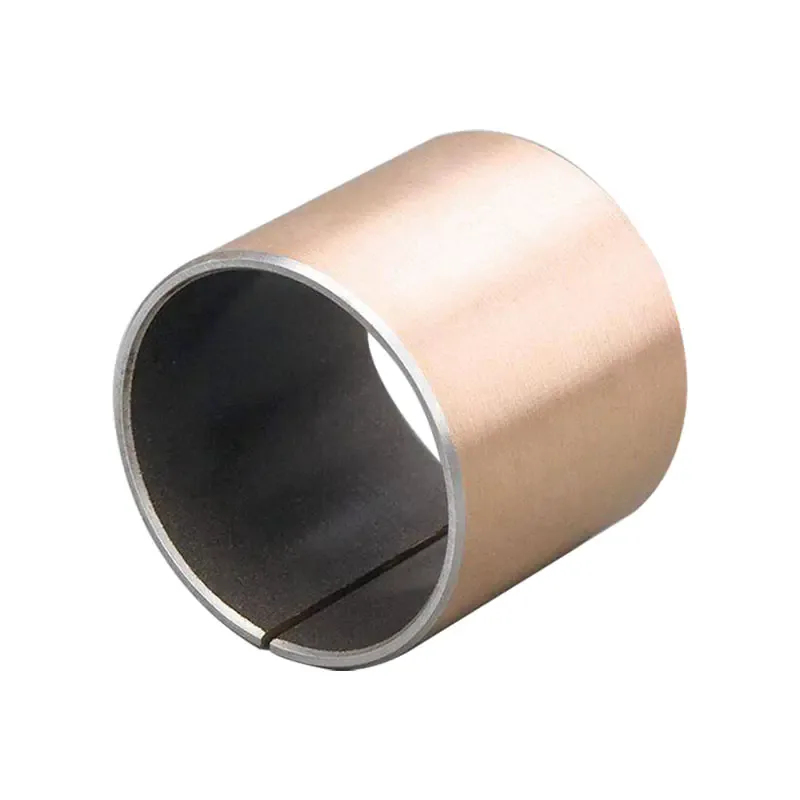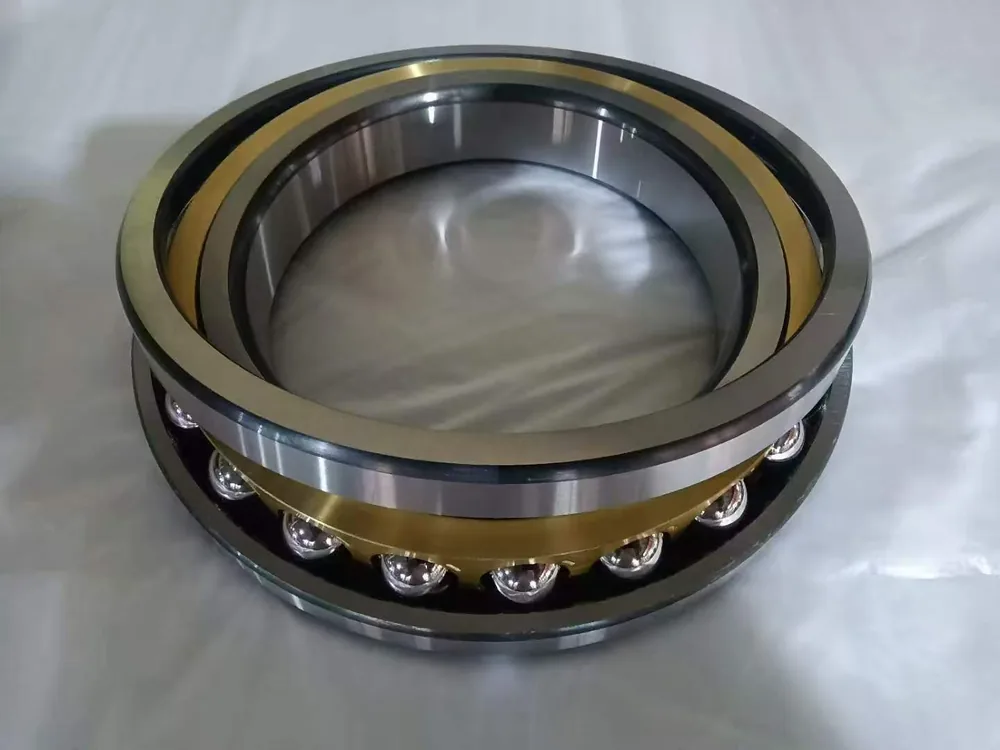
Pillow block, plummer block and flange bearing units all support rotating shafts, but they are not interchangeable descriptions of the same arrangement.
The terminology can vary between manufacturers and regions, so the safest approach is to compare the actual housing construction, bearing insert, shaft-locking method and mounting geometry shown in the manufacturer’s catalog.
Pillow Block Units: Compact Mounted Bearing Assemblies
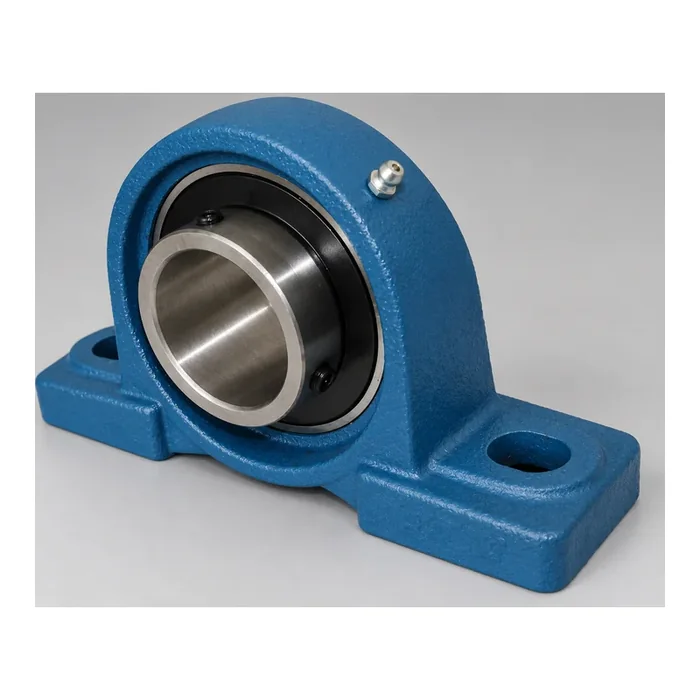
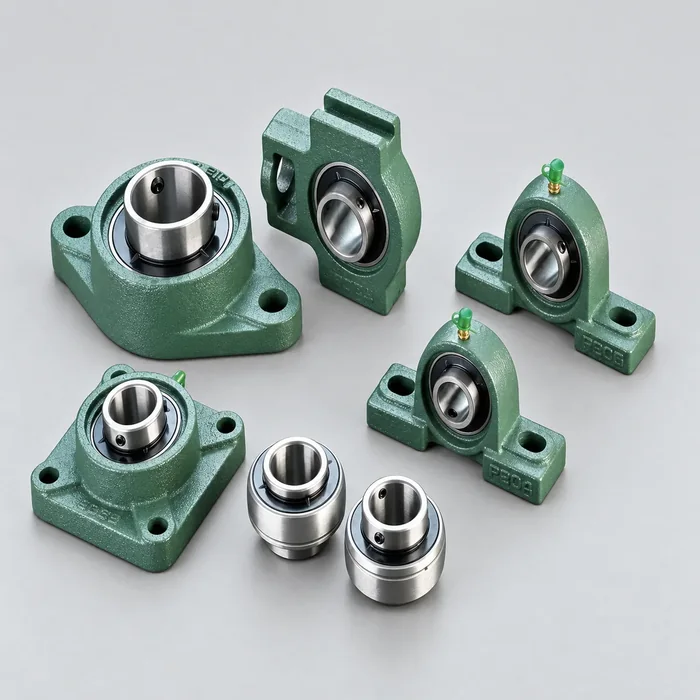
In many industrial catalogs, a pillow block unit refers to a one-piece housing fitted with a replaceable bearing insert. The housing mounts on a base parallel to the shaft axis.
These units are widely used on conveyors, fans, agricultural equipment and general machinery because they combine the bearing, housing, seals and shaft-locking method in a compact assembly.
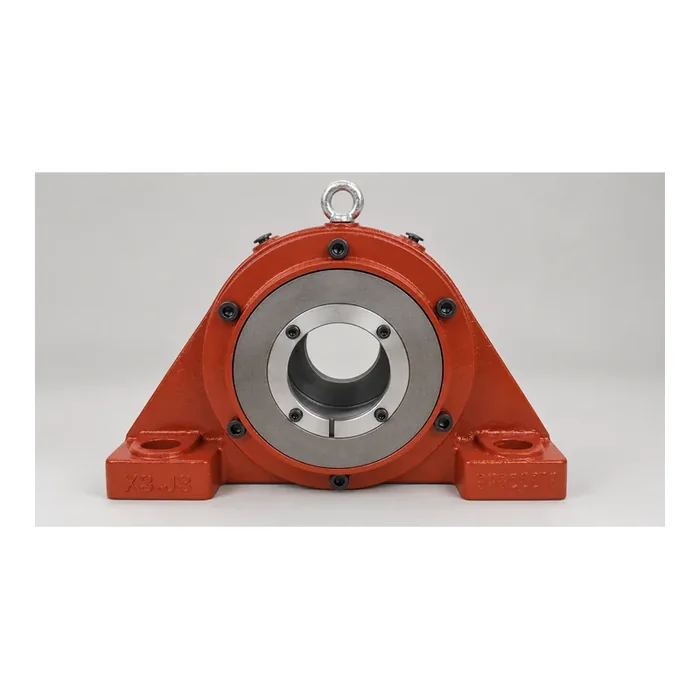
Plummer Block Housings: Split Housing for Larger Bearing Arrangements
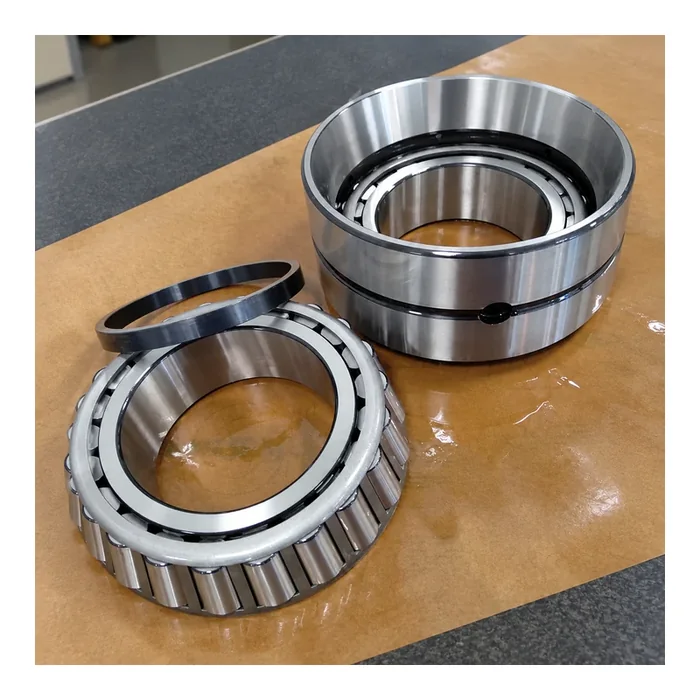
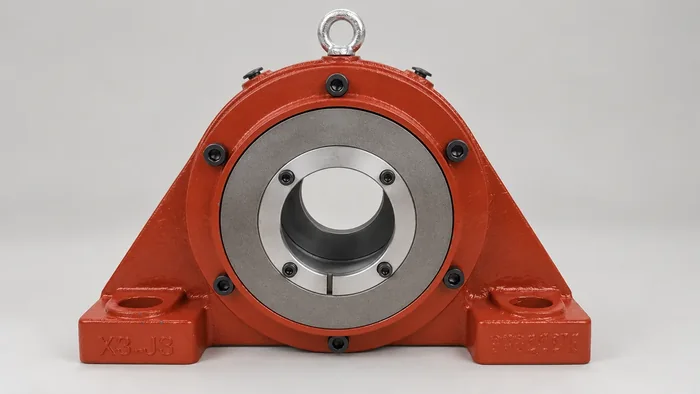
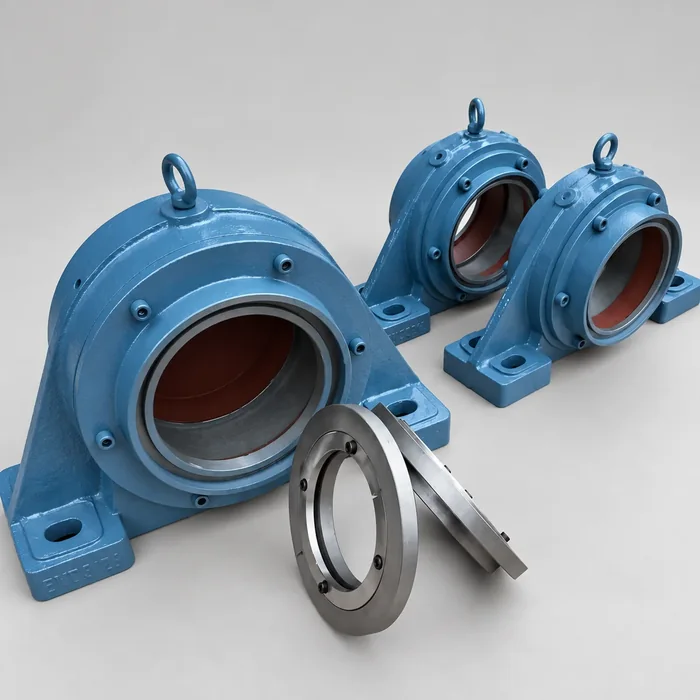
Plummer block housings are commonly used for larger self-aligning ball bearings or spherical roller bearings. Many designs use a split cap and base so the housing can be opened around the shaft for inspection and maintenance.
The bearing, sleeves, seals and housing are selected as a system. A split housing improves access, but it does not mean every bearing inside the housing can be replaced without moving the shaft; the complete arrangement still depends on the bearing and adapter design.
Flange Bearing Units: Mounting on Machine Walls and Frames
A flange bearing unit mounts on a surface generally perpendicular to the shaft axis. Two-bolt, three-bolt and four-bolt housing patterns are used to suit different frame layouts and available installation space.
The number of mounting bolts alone does not determine bearing capacity. Load rating depends on the bearing insert, housing design, shaft fit, fasteners and mounting structure.
How to Choose Between the Three
| Selection Point | Pillow Block Unit | Plummer Block Housing | Flange Bearing Unit |
|---|---|---|---|
| Typical mounting | Base parallel to shaft | Base parallel to shaft | Wall or plate around shaft |
| Typical bearing arrangement | Mounted ball or roller insert | Separate bearing, sleeves and seals | Mounted insert in flange housing |
| Maintenance access | Compact, insert service depends on shaft access | Split housing provides good inspection access | Compact wall-mounted access |
| Best use | General machinery and conveyors | Heavier shafts and demanding industrial service | Side walls, frames and compact machine layouts |
Check More Than the Shaft Bore
Before ordering, confirm shaft diameter, radial and axial loads, speed, mounting surface, sealing environment, locking method and maintenance access.
You can review EIM bearing housings, search available bearing series in the Bearing Model Search, or use the Specifications Center for model-level data.
Need to verify a bearing for your equipment?
Send the complete model designation or drawing, load conditions, speed, quantity and other critical requirements.